

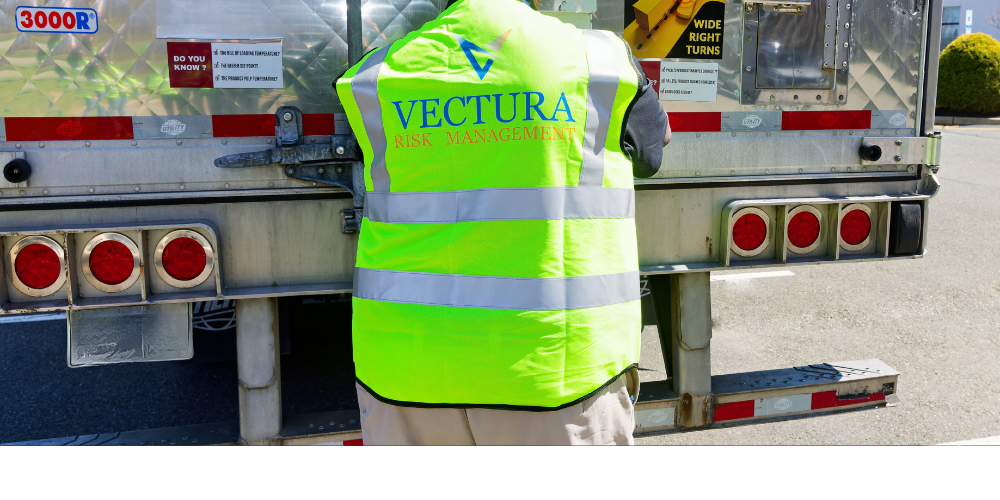
When a high-value shipment is moving, location alone is not enough.
The route can look normal. The truck can be on schedule. Every checkpoint can appear exactly as planned. On a screen, nothing may suggest a problem.
That does not mean risk is absent.
Monitoring is an important part of protecting high-value freight because it confirms location, movement, and timing. It helps teams see whether a shipment is following the expected route and whether anything obvious has changed. But for loads that carry exceptional value, sensitivity, or theft appeal, location only tells part of the story.
A trained cargo security escort is watching for what technology cannot interpret.
That may be a vehicle that appears repeatedly along a route without a clear reason. It may be unusual attention near a fueling stop, a vehicle positioned too close during a handoff, or activity near the trailer that feels inconsistent with the surroundings.
A trained escort is often reading the environment long before an alert exists. A vehicle parked near a loading point may mean nothing once. Seeing the same vehicle again thirty miles later changes that. A person standing near a trailer at a fuel stop may be harmless, until the timing matches a pattern that does not feel accidental. These are judgments technology does not make because the data itself does not yet look abnormal.
As Tyler J. Lerner, Operations Supervisor at Vectura, puts it: “The job is not just staying with the load. It is understanding what around that load deserves attention before it becomes a problem.”
For high-value freight, those details matter because organized theft often begins long before an actual attempt is made.
A shipment carrying pharmaceuticals, electronics, luxury goods, or other targeted products can attract attention simply because of where it is going, how it is moving, or how predictable the movement becomes.
This is where escort work becomes more than presence.
An escort is not there only to accompany the shipment. The role is to observe behavior, recognize patterns, and identify whether normal movement still looks normal in context.
That is especially important during the moments where high-value loads are most exposed: early miles after pickup, planned stops, overnight holds, transfer points, and any part of the route where criminals may expect routine.
Technology can confirm if a trailer door opens. It can confirm if a shipment stops longer than expected. It can confirm if a route changes.
What it cannot show is whether someone was already waiting before any of that happened.
That human layer is why escorts remain critical on certain moves, even when monitoring systems are working exactly as designed.
The strongest escort decisions often happen before an incident, when subtle observations lead to earlier caution, tighter control, or a different response altogether.
For fleets moving high-value freight, that difference can be what keeps an ordinary movement from becoming a very expensive problem.
If your freight is high-value, highly targeted, or moving through elevated-risk lanes, Vectura Risk Management, LLC can help add the human intelligence layer your security strategy may be missing. Reach out to Vectura to discuss cargo escort support for your next critical shipment.